
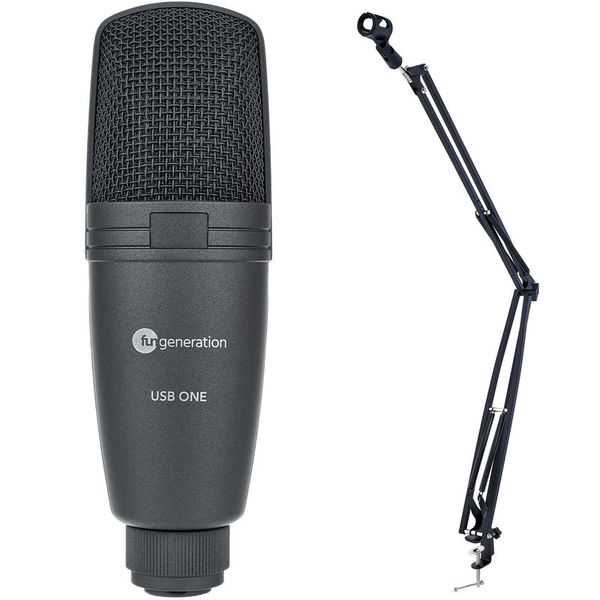
The complete guide
The Complete Guide to Choosing a Podcast Microphone
Podcasting and streaming microphones vary more than the marketing around them suggests. Connection type, polar pattern and price tier matter far more to how a recording actually sounds than brand name alone. This guide covers what to check before buying, whatever your budget or setup.
USB or XLR: the first decision
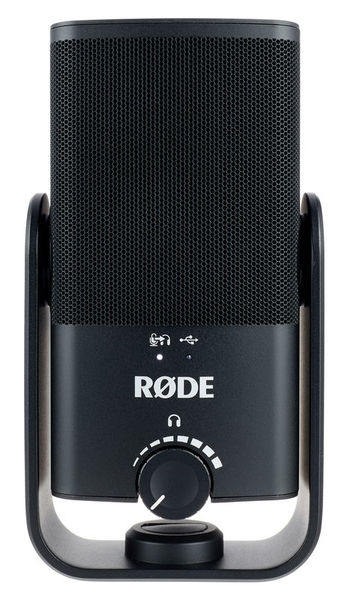
USB microphones plug straight into a computer with no extra hardware — the simplest route into podcasting, and the right starting point for a solo show or a first few episodes. XLR microphones need an audio interface or mixer, but hand gain staging and monitoring to dedicated hardware rather than a laptop's built-in sound card, which shows up most clearly once you add a second microphone for a co-host or guest. A handful of models in our range connect both ways, letting you start on USB and add an interface later without buying a second microphone.
Polar pattern: the cheapest noise control you have
Almost every microphone built for speech uses a cardioid or supercardioid polar pattern, which is most sensitive to sound from directly in front of the capsule and progressively less sensitive to the sides and rear. Positioning yourself directly on-axis to the microphone, rather than off to one side, is the single most effective free adjustment you can make before reaching for any noise-reduction software — it costs nothing and matters more than most buyers expect.
What price actually buys
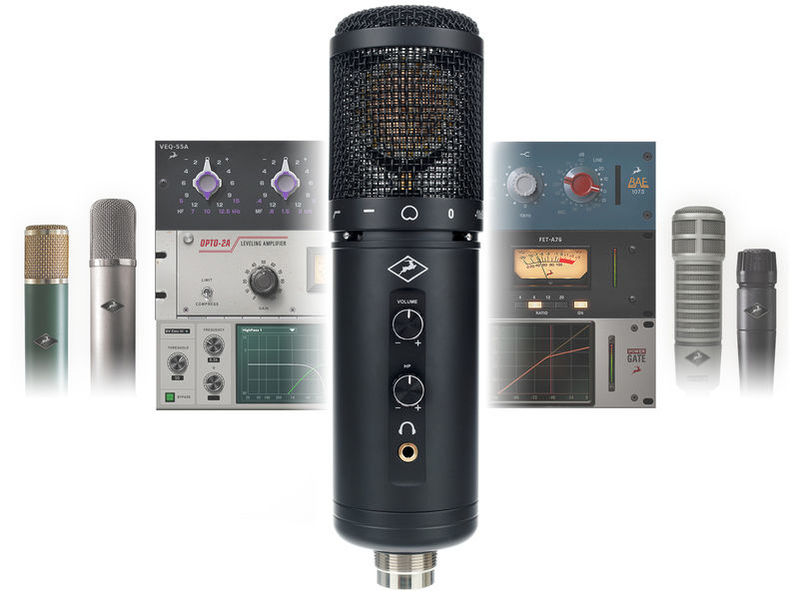
Below roughly £40, a dedicated microphone is still a genuine step up from a laptop or headset mic: a proper capsule, a speech-focused polar pattern, and on USB models a real analogue-to-digital converter. Between £40 and £150 you're generally paying for build quality and refinement rather than a fundamentally different sound. Above £250, our Pro & Broadcast range adds features aimed at professional and multi-guest use — onboard DSP, multi-channel interfaces, broadcast-specific controls — that most solo home setups won't need.
Bundles versus buying separately
A bundle pairs a microphone with the stand, arm or cabling most buyers end up purchasing anyway in their first few weeks, usually at a lower combined price than buying each piece on its own. That value case is strongest if you don't already own any of that hardware; check a bundle's contents against your existing setup before assuming it's the better deal.
Podcasting versus live streaming
A podcast is recorded and edited before it's published, so small gain or background-noise issues can be fixed afterwards. A live stream has no such safety net — whatever the microphone picks up in real time is what your audience hears — which puts more weight on checking gain and room noise before you go live rather than after.